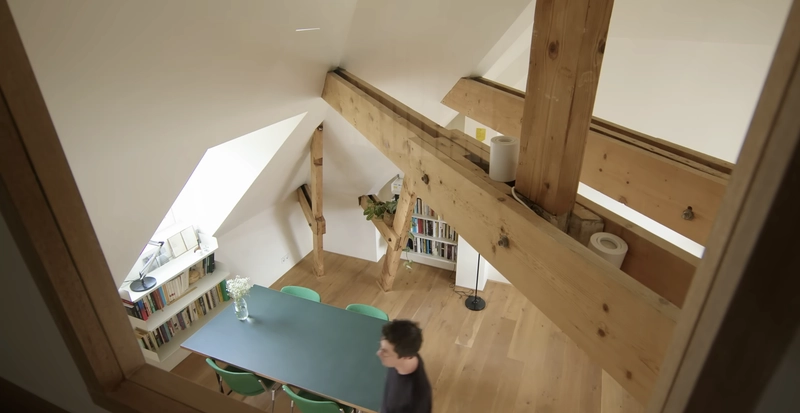
The Art of Intentional Living: Designing for Comfort, Mood, and the Modern Lifestyle
As an interior design expert, I have long believed that a home should be more than a mere shelter; it must be a living manifesto of one’s personal philosophy. Today, we are seeing a significant shift in home interiors, moving away from rigid, room-by-room structures toward spaces that are functional, flexible, and beautiful. Especially in urban environments where space is a premium, the modern home is being redefined by how it supports our multifaceted lives—balancing work, social engagement, and personal tranquility.
1. The Rise of the Versatile Sanctuary
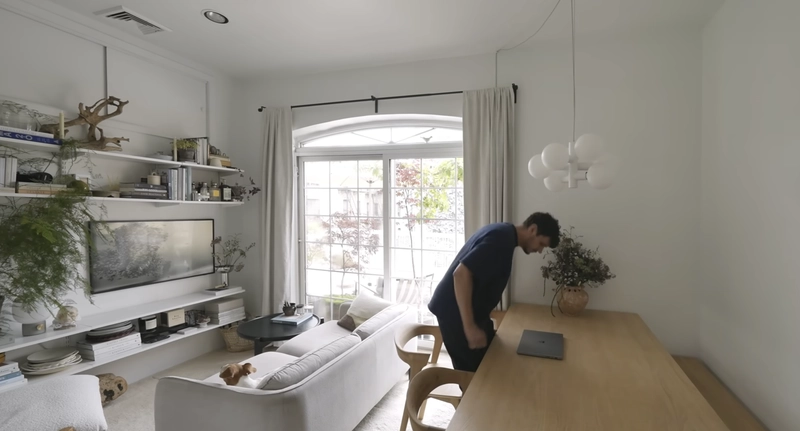
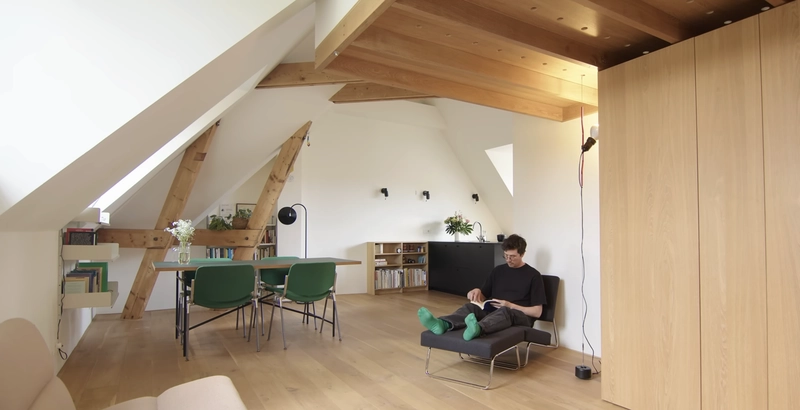
One of the most prominent trends in modern interiors is the move toward multifunctional spaces. We no longer need separate rooms for dining, working, and lounging. Instead, the trend is to combine these into one fluid area.
• Design Advice: Invest in high-quality, “multi-hyphenate” furniture. A large, solid oak dining table, for instance, can serve as a communal workspace during the day and a warm social hub for dinner guests at night. To maintain a sense of order in a shared space, use textural zoning. Placing slightly different wool rugs in the kitchen and living areas can effectively “zone out” each space without the need for restrictive walls.
2. Biophilic Design and the Natural Influence
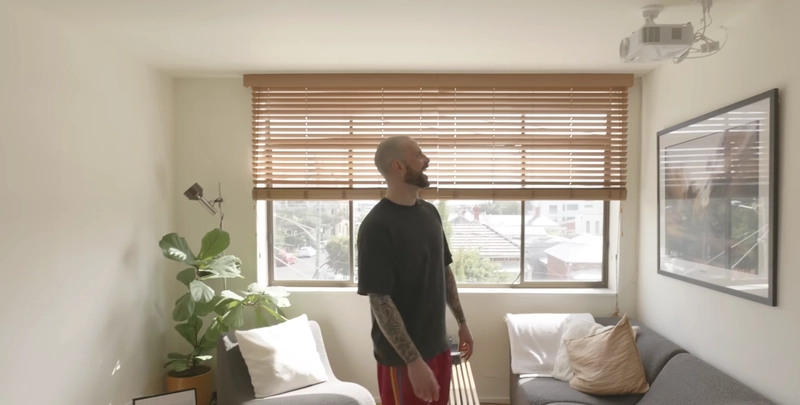
There is a profound connection between our environment and our mental well-being. Modern design increasingly draws inspiration from the beauty and tranquility of natural elements. By incorporating many wooden objects, plants, and ceramics, we can create a space that feels grounded and restorative.
• Design Advice: Prioritize natural light. If you have large glass sliding doors, keep them unobstructed to flood the space with brightness. Furthermore, consider biophilic placement—moving your bed toward a window allows you to wake up with the sunlight, reinforcing your connection to the natural rhythm of the day.
3. Flexibility for the Modern Nomad
For many, the biggest challenge of modern living—particularly when renting—is the knowledge that a home may be temporary. The trend now is to design for versatility and portability. Instead of fixed cabinetry, designers are opting for open shelving solutions that can be adapted to the dimensions of a future home.
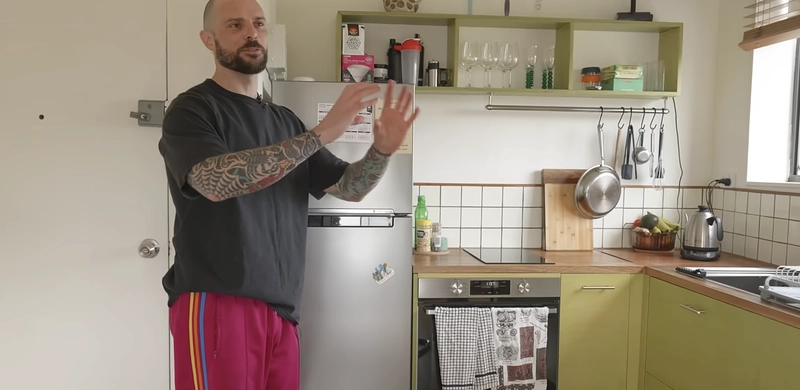
• Design Advice: Use a mix of open and hidden storage. Open shelves allow you to showcase the accessories and artwork you love, while hidden compartments—such as the space above a closet or a high shelf—are perfect for stowing away seasonal items and luggage.
4. Curating Mood Through Lighting and Texture
Design choices directly impact our mood through the “glow” of a room. To create a cozy atmosphere, especially in the evening, the focus should be on warm, diffused lighting.
• Design Advice: Avoid harsh overhead lights. Instead, use wall-mounted lamps or rice paper ceiling lamps to cast a soft, inviting glow. Complement this with tactile textures; if your hardwood floors feel too clinical, add large rugs to soften the space and enhance the “closy” feel of private areas like the bedroom.
5. Personalization: The Poetry in the Everyday
A home truly becomes a sanctuary when it reflects the inhabitant’s history. Even in a rental where major renovations are restricted, intentional personalization can camouflage flaws and highlight beauty.
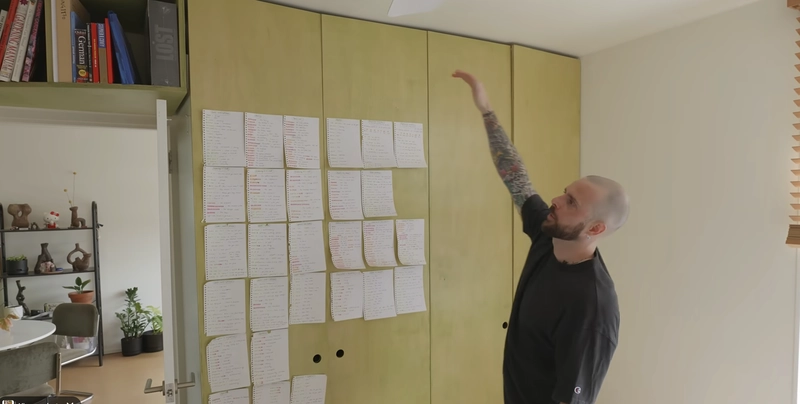
• Design Advice: Don’t let unattractive features dictate your mood. If you have a door or wall you cannot paint, use it as a “gallery” by covering it with a collection of personal photos or artwork. Additionally, don’t be afraid to negotiate with landlords for functional upgrades, such as a more modern medicine cabinet or a new paint color for the ceiling; these small changes can significantly enhance your daily comfort.