Elevating the Human Experience: The Art of Intentional Interior Design
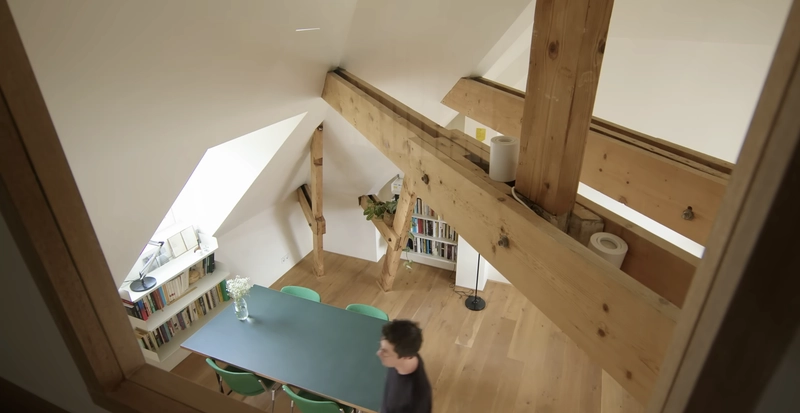
In the modern era, the concept of “home” has evolved beyond a mere physical shelter. It has become a narrative of how we choose to inhabit space, a reflection of our values, and a sanctuary for our mental well-being. As an interior designer, I have observed a profound shift toward “living lighter” and finding “poetry in the everyday”. Today, the most successful interiors are not those with the most square footage, but those that demonstrate a determination to do things differently through optimization and emotional resonance.
1. The Power of Visual Expansion: Light and Color
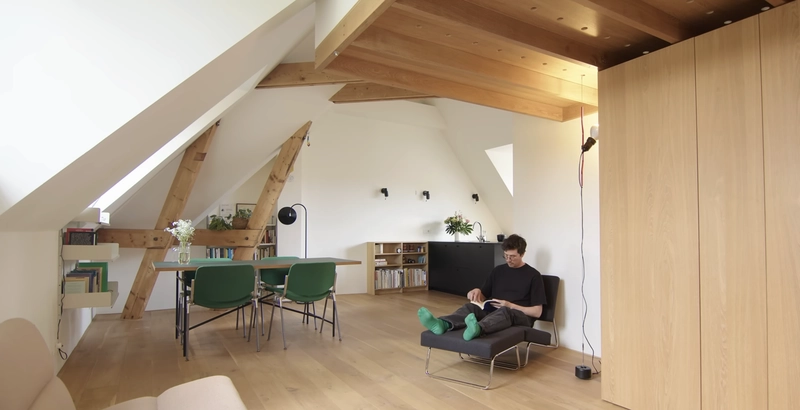
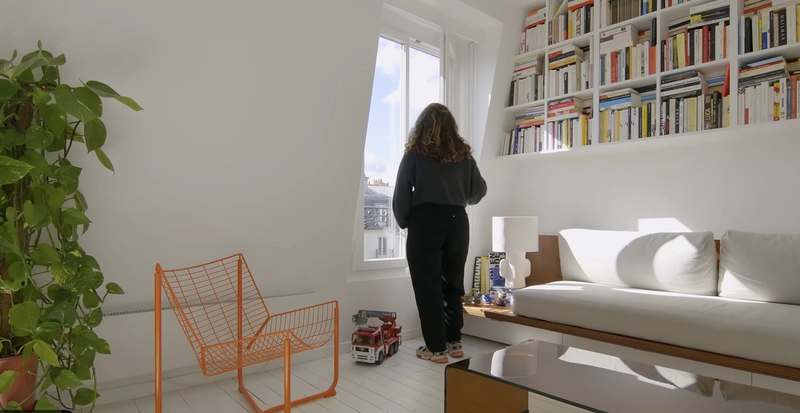
One of the most effective ways to influence mood and comfort is through the strategic use of color and light. For instance, in compact urban environments like the 19th-century Haussmann buildings of Paris, we often recommend using white on both floors and walls. This serves two purposes: it significantly boosts the brightness of the apartment and provides a neutral canvas that allows personal collections—such as a vast library of books—to become the vibrant focal point of the home.
Expert Advice: If you are dealing with a space that lacks natural light, such as a bathroom without windows, do not shy away from bold textures. We often use blue mosaic glass tiles to create a distinct ambiance, coupled with large mirrors to expand the space visually and compensate for the lack of a view.
2. Multi-Functional Architecture: Furniture as Sculpture
Modern trends are moving away from bulky, single-use furniture toward custom, integrated solutions that serve multiple purposes. To optimize circulation, consider replacing traditional desks with large custom daybeds. These can serve as a primary sofa, a guest bed, or a quiet spot for contemplation.
Furthermore, elements that are traditionally utilitarian, such as a staircase, should be reimagined as “masterpieces” or “pieces of art”. By designing a thin, discrete metal staircase, you can minimize the footprint while adding a sculptural element to the living room.
3. Designing for Emotional Connection: The “Nook” Concept
Design should never be one-size-fits-all; it must account for every member of the family. A rising trend in interior design is the creation of private “nooks” or “cabins” within a larger floor plan. For a child, this might mean a room inspired by “Alice in Wonderland,” accessed through a tiny, playful door and saturated in a calming blue palette with soft carpets. Using soundproof glass allows these playful areas to remain visually connected to the living space while maintaining acoustic privacy.
4. Material Harmony and Tactile Warmth
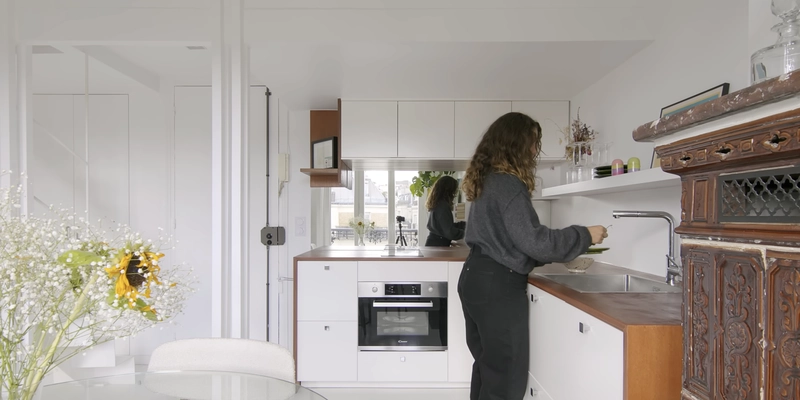
To create a “warm” atmosphere, it is essential to harmonize new materials with the home’s existing history. We often utilize birch plywood, which can be tinted to match the walnut tones of an original ceramic fireplace. This blending of the old and the new creates a sense of continuity and grounding.
Expert Advice for Lighting: Avoid static overhead lighting. Instead, opt for flexible solutions like the Parentesi lamp, which allows you to move the light source up and down to direct focus wherever it is needed. For task lighting, a well-placed wall lamp—such as a Charlotte Perriand design—can provide focused light for cooking or reading while adding a touch of vintage elegance.
Conclusion: The Pursuit of Optimistic Space
Ultimately, interior design is about the optimization of every square meter to provide both “space and comfort”. When we design with intention—incorporating mirrored splashbacks to reflect the sky or oversized skylights to grant access to rooftop views—we create an environment that invites us to “pause, ponder, and smile”.