The Art of the Versatile Home: Designing for Comfort, Mood, and Function
In the modern world, our homes have become more than just shelters; they are sanctuaries that must adapt to our multifaceted lives. As an interior designer, I often tell my clients that the most successful spaces are like a Swiss Army knife: compact, functional, and impeccably designed. Current trends are shifting away from mere aesthetics toward a philosophy where “good design” means a small space can be something truly desirable and a source of pride.
Designing for Emotional Respite
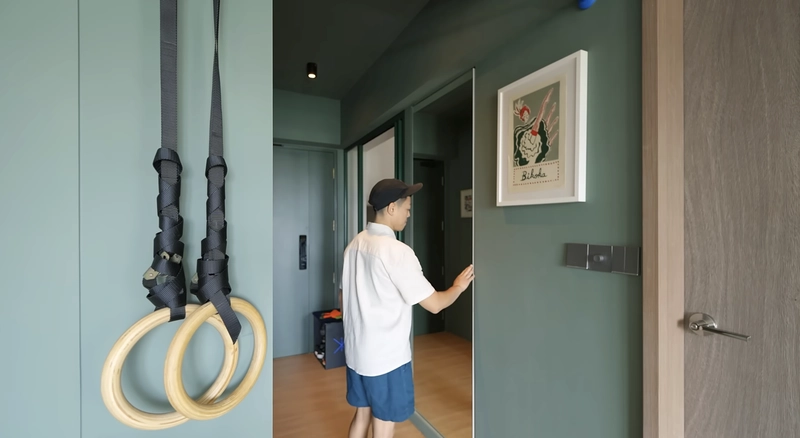
One of the most significant trends in home interiors is the use of intentional color palettes to influence mood. Your home should serve as a respite from the busyness of the city. For example, integrating specific shades of green in a foyer can evoke the calmness of being in nature, offering an immediate sense of peace the moment you step through the door.
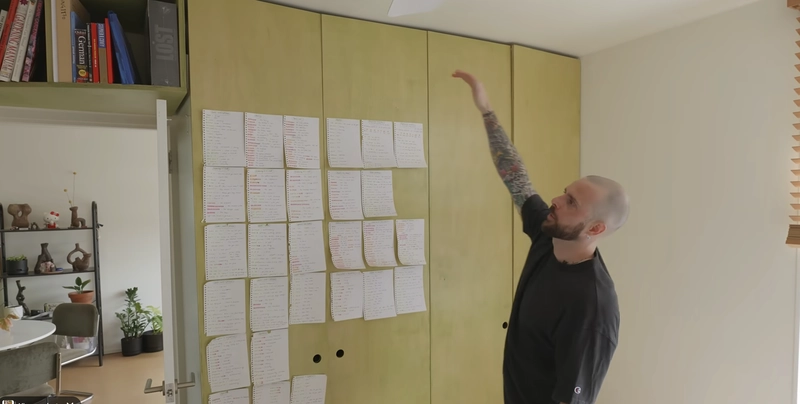
Furthermore, the choice of materials plays a crucial role in the “feel” of a home. Utilizing veneer with a matte varnish finish for cabinetry adds a sense of warmth and refinement, making the environment feel effortless. When your surroundings feel warm and organic, your personal comfort increases exponentially.
The Power of Versatility and “Side Hustle” Furniture
We are seeing a rise in versatile spaces that transform effortlessly based on the time of day or the occasion. To achieve this, I recommend what we call “side hustle furniture”—pieces that don’t just take up space but add personality and dual functionality.
Consider these specific design choices for your own home:
• Multifunctional Entryways: A custom shoe rack can double as a bench for putting on shoes, maximizing a small corner.
• Hidden Utility: A pull-out serving trolley can be designed to double as storage for unwashed laundry, tucked away in a kitchen cabinet when not in use.
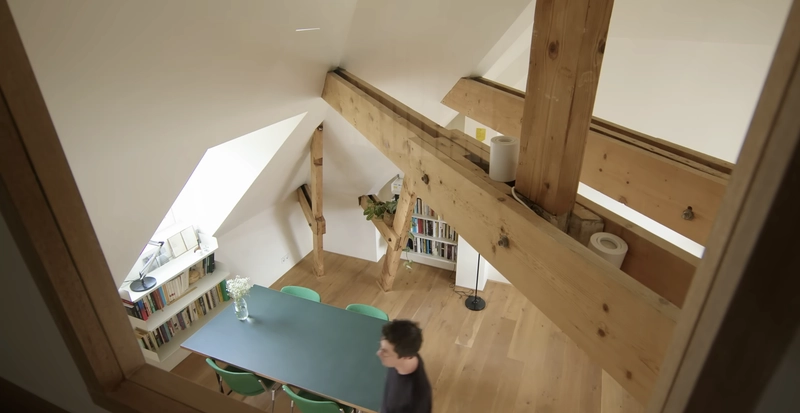
• Transformative Living Areas: An extending dining table can allow a space to transition from a cozy dinner for two to a gathering for eight. Similarly, using a long plywood bench that extends to a window can serve as seating, storage, a TV console, and even a place to hide gym equipment.
Maximizing Light and Spatial Perception
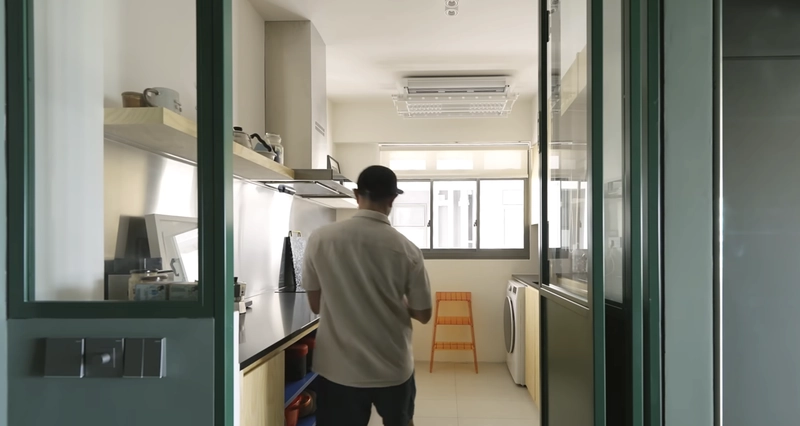
Comfort is often dictated by how “open” a space feels. To make a home feel larger and more inviting, consider replacing solid walls or doors with half-glass or steel-and-glass sliding doors. This allows natural light to flow into bedrooms and corridors while maintaining a sense of distinction between rooms.
Other professional tips for enhancing space include:
• Mirror Placement: Replacing a standard cabinet door with a full-length mirror can instantly bring light into a dark corridor.
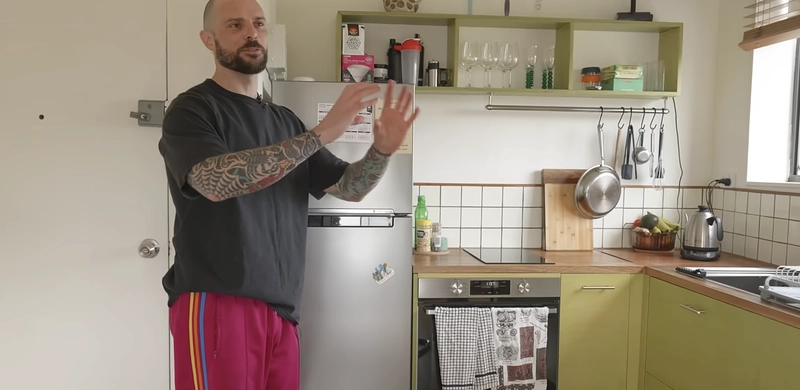
• Floating Elements: Use floating shelves in kitchens to make the area look larger and feel more open compared to heavy cabinetry.
• Strategic Surfaces: In bathrooms, glossy tiles can make a small room appear bigger, while a hexagon-shaped shower screen can maximize floor space by reducing the door’s swing radius.
Personalization: The Foundation of Home
Ultimately, the most important trend is authentic personalization. Your home should be a reflection of your history and passions. A gallery wall featuring your own artwork or pieces collected during travels infuses a space with soul.
Every object and piece of furniture should be a conscious decision. When you understand how you live, your needs become the foundation of your home; everything from the color palette to the material choice is simply a way to express who you are