The Small Space Revolution: How Modern Lifestyles are Redefining the Concept of Home
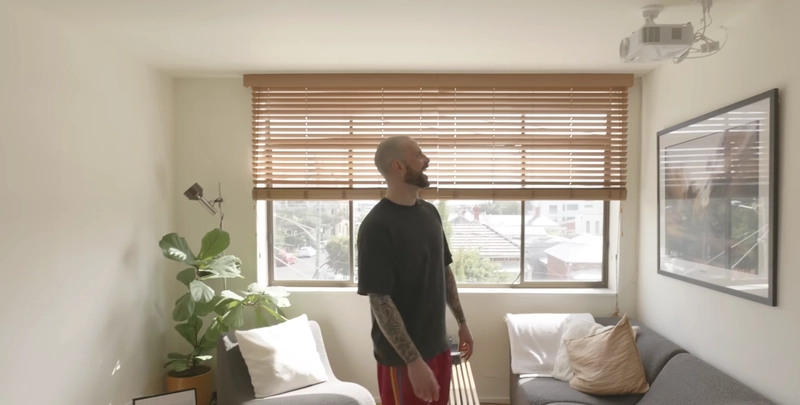
In the heart of Brooklyn, within a 1920s townhouse, a 46-square-meter apartment serves as a living manifesto for the future of urban dwelling,. Designers Julia Kinska and Aram Kavinsky, founders of Faride Interior Design Studio, have transformed this compact rental into a sanctuary that embodies a core philosophy: a home must be functional, flexible, and beautiful. As urban living becomes increasingly dense, their approach offers a blueprint for how intentional design can harmonize work, social life, and personal comfort.
The Philosophy of Versatility
For the modern renter, the greatest challenge is the inherent temporality of their living situation. Consequently, design choices are shifting toward versatility. Instead of fixed installations, there is a preference for furniture and storage solutions that can be adapted to future spaces.
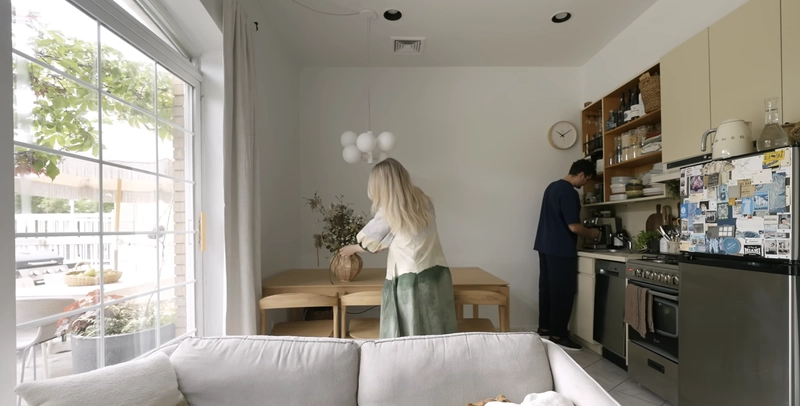
Aram and Julia utilize open shelving to showcase personal accessories while cleverly hiding utilitarian items in “hidden” storage spaces—such as the area above the shelves used for luggage and seasonal gear. This flexibility ensures that the soul of the home can be packed up and successfully transplanted into a new environment when the time comes.
Zoning Without Walls
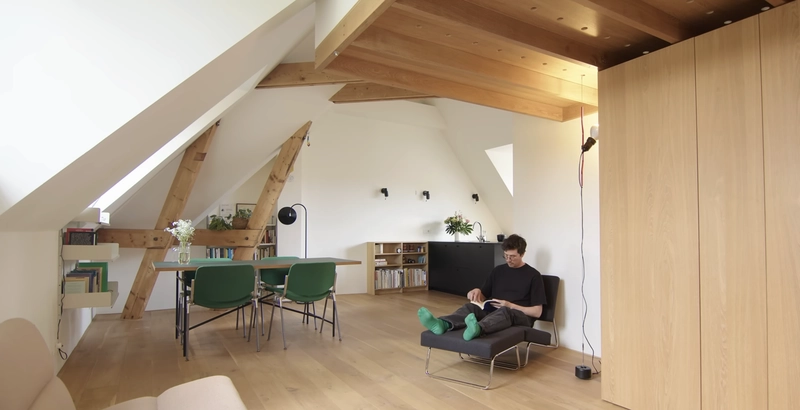
Modern lifestyle demands have dissolved the traditional boundaries between rooms. In this Brooklyn home, the main idea was to merge the lounge, work, and dining areas into one multifunctional space.
• Multifunctional Furniture: A large solid oak dining table serves as a communal workspace during the day and a gathering spot for meals at night.
• Visual Boundaries: Instead of physical partitions, wool rugs with different textures or patterns are used to “zone out” the kitchen from the living area.
• Spatial Perception: Strategically placed mirrors, such as the one at the bathroom entry, enhance the sense of brightness and depth, making a small footprint feel expansive.
Bridging Nature and Architecture
Current architectural trends emphasize biophilic design—the integration of natural elements to improve mood and tranquility. Drawing inspiration from the beauty of nature, modern interiors are increasingly featuring wooden objects, plants, and ceramics.
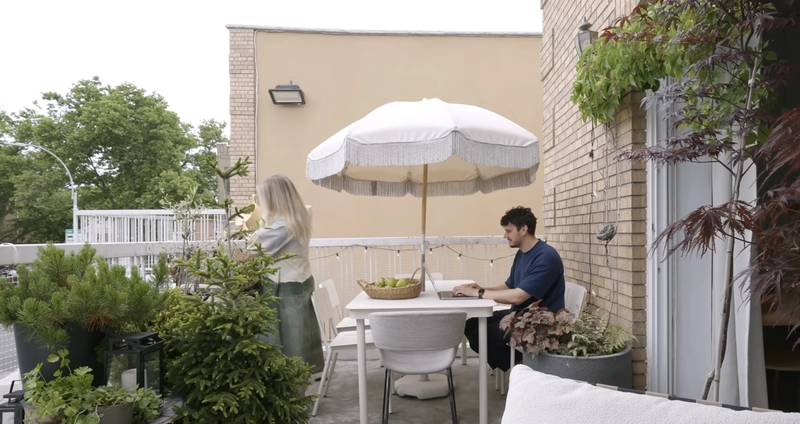
Architecture also plays a role in connecting residents to the outdoors. The couple’s apartment features large glass sliding doors that flood the space with natural light. They have even turned their large balcony into a literal extension of the home, dividing it into a lounge area and a dining zone for eight people, complete with a barbecue. By moving the bed toward the windows, they ensure that the first thing they experience upon waking is natural sunlight, reinforcing a connection to the environment.
The Art of Personalization in Rentals
Perhaps the most significant shift in modern living is the refusal to let “rental” status dictate aesthetic quality. People are finding creative, reversible ways to personalize their spaces:
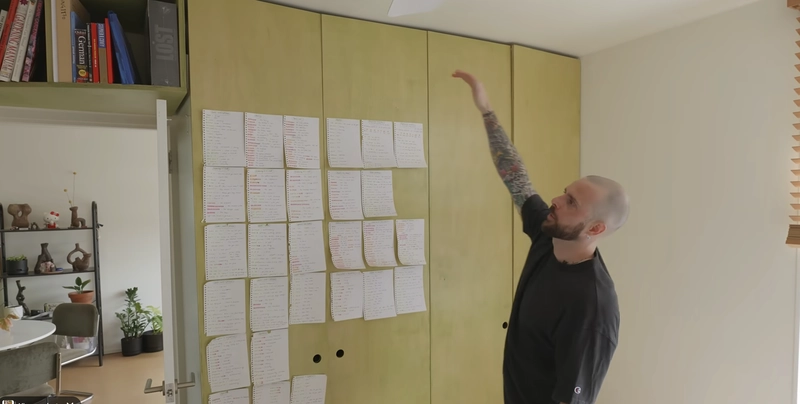
• Camouflage: A stained wood pantry door that couldn’t be painted was instead covered in a collection of photos, turning an eyesore into a gallery-like picture frame.
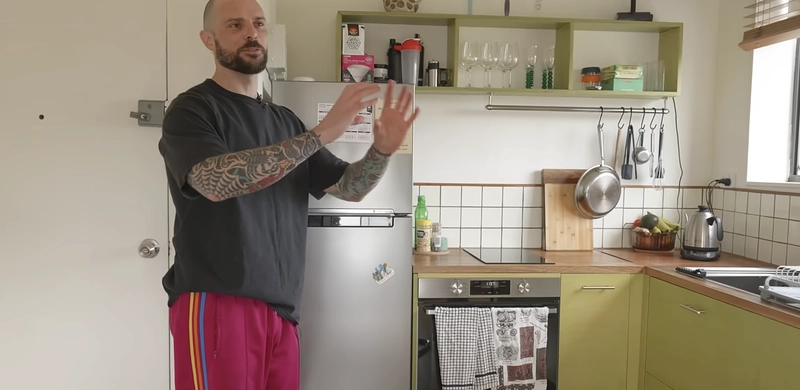
• Modification: To suit their love for cooking, the couple removed some kitchen cabinet doors to create an open-shelf feel, keeping the original doors to be reinstalled before they move out.
• Negotiation: In the bathroom, they reached an agreement with their landlord to install a high-quality medicine cabinet they purchased themselves, proving that thoughtful upgrades can benefit both the tenant’s comfort and the property’s value.
Conclusion
Modern living is no longer about the number of rooms, but the quality of the atmosphere. By focusing on intentional design—from the warm glow of a well-placed lamp to the use of a wall as a projector screen—we can create homes that support our multifaceted lives,,.