
The Soul of the Shell: How Architecture Shapes Modern Urban Living
In the modern era, architecture is no longer just about constructing shelters; it is about the deliberate curation of space to foster a sense of calm and quiet amidst the density of urban life. As an architect, I view every project—especially challenging renovations like the 60sqm attic conversions in Amsterdam’s social housing blocks—as an opportunity to redefine how we live. By focusing on spatial efficiency, sustainable materiality, and a profound connection to the environment, we can transform a “bare shell” into a sanctuary that celebrates both family and social connection.
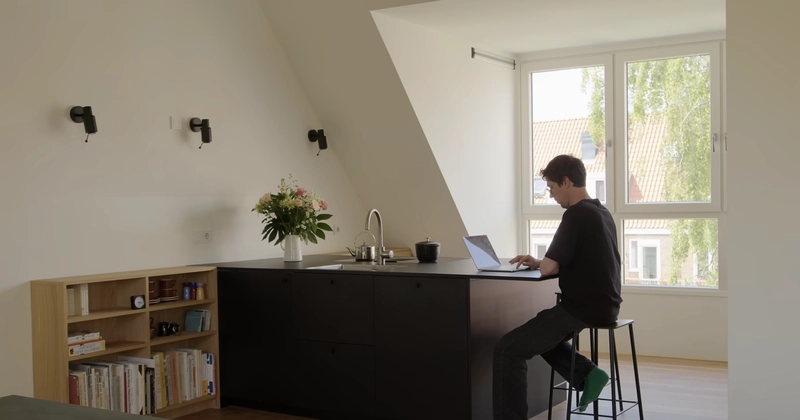
Modern living often requires us to do more with less. In compact urban environments, spatial efficiency is achieved not by crowding a room, but by maximizing space and light through clever design. One effective technique is the use of “floating” furniture; by raising pieces off the ground, the floor area appears larger and the space gains a timeless, minimalist quality.
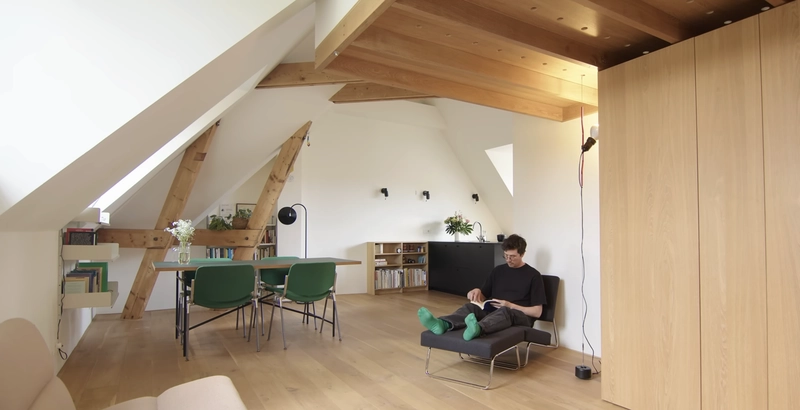
Furthermore, verticality is a crucial tool for the modern architect. In spaces with high ceilings, such as a 5-meter-high attic, we can create mezzanine levels that “burrow” under the roof, providing a cozy bedroom while keeping the main living area open and lofty. Every inch must be functional: under-stair cupboards can hide deep storage for personal items, and kitchen blocks can serve triple duty as storage, a workspace, and a dining area. This “mix of functions” softens the divisions within a home, making even a small footprint feel expansive.
Materiality and Sustainability
The materials we choose influence the “warmth and stability” of a home. Modern architecture is shifting toward natural materials that offer longevity and aesthetic calm. For instance, using oak veneer for cabinetry and stairs or linoleum for table surfaces provides a tactile, organic feel.
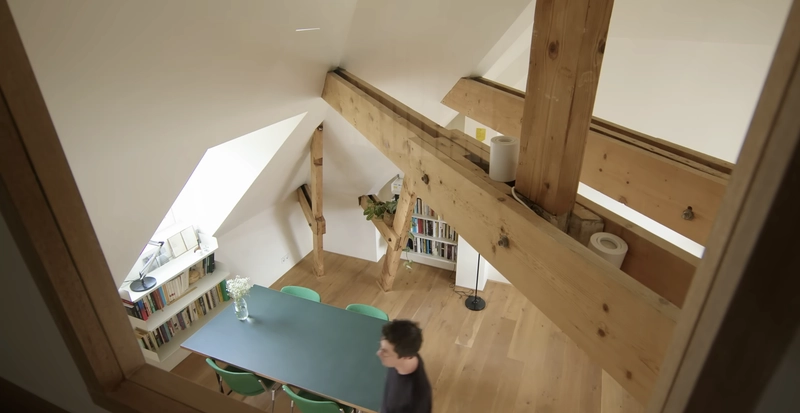
Sustainability also manifests in the reuse of existing elements. Integrating the original wooden beams or the unique shape of a roof honors the building’s history while reducing the need for new structural components. We can also look to the past for high-quality materials; utilizing 60-year-old tiles sourced from old factories for walls and floors creates a cohesive, minimal composition that avoids the visual clutter of too many different materials.
The Relationship Between Architecture and Nature
Modern living should not be divorced from the natural world. Architecture acts as the bridge between our private interiors and the environment. This connection is primarily forged through natural light. Large dormer windows—sometimesreaching heights of 2.6 meters—can flood an apartment with light, making compact spaces like bathrooms or nurseries feel open rather than confined.
Beyond light, the physical placement of a building between green spaces, such as parks, or the inclusion of a communal courtyard, allows inhabitants to experience a “silent and lazy atmosphere” that is often missing in city centers. By keeping interiors open and using glass or open steel balustrades, we allow light and views to transmit freely, ensuring that even when we are indoors, we remain connected to the world outside.
In essence, modern architecture is about making choices based on what is most important to the inhabitant. It is the process of stripping away the unnecessary to reveal a space that is both functional and soulful.
——————————————————————————–
Analogy for Understanding: Designing a modern, efficient home is much like navigating a high-performance sailboat. Every piece of equipment must have a specific place and often serve multiple purposes to fit within a limited hull. Just as a sailor uses the wind and sun to move forward, an architect uses natural light and smart materials to breathe life into a small space, ensuring that despite the tight quarters, the experience remains one of freedom and grace.