The Soul of the Small Home: Designing for Calm, Light, and Longevity
In the modern landscape of interior design, we are seeing a significant shift away from sheer square footage toward the intentional curation of space. As an expert in the field, I’ve observed that the most successful homes—those that truly serve as a sanctuary—are designed around the specific needs of the family, prioritizing a “calm and quiet” atmosphere where one can recharge.
Current trends are moving toward a minimalist and modernist aesthetic that grants a home a “timeless quality”. This isn’t just about fashion; it is about how our environment dictates our mood and daily comfort. Here is how you can apply these high-level design principles to your own living space.
1. Honoring Architectural “Bones”
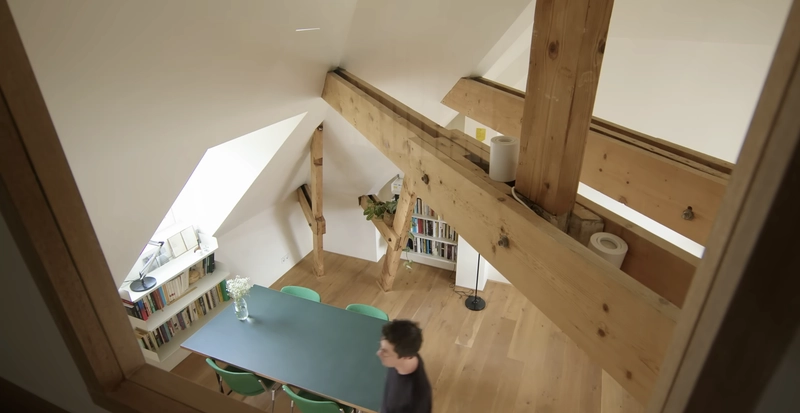
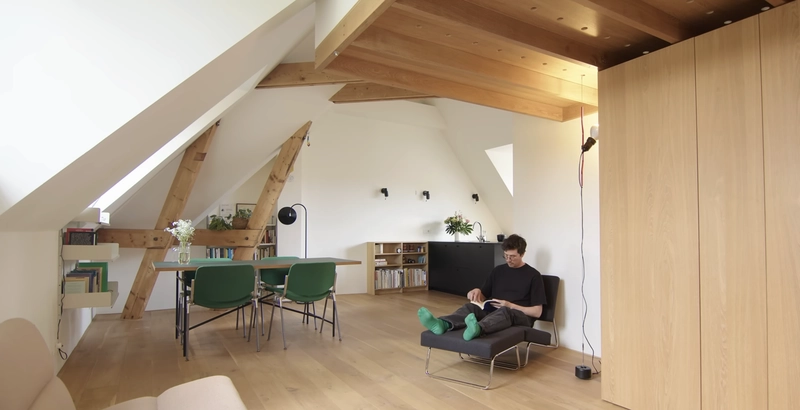
One of the most effective ways to create a home with character is to be inspired by the “existing qualities” of the building. Whether it is the exposed wooden beams, the unique slope of a roof, or a central bearing wall, these elements provide a sense of stability and history,.
Design Advice: Instead of hiding structural elements, integrate them into your composition. For instance, diagonal roof lines can be mirrored by the shapes of custom cabinetry to create a sophisticated visual harmony.
2. The Illusion of Space: Floating and Flowing
In smaller footprints, the goal is to maximize the “spacious feeling”. A powerful trend in contemporary design is the use of “floating” furniture—pieces that sit above the ground on slim legs or are wall-mounted—which makes the floor area appear larger than it is.
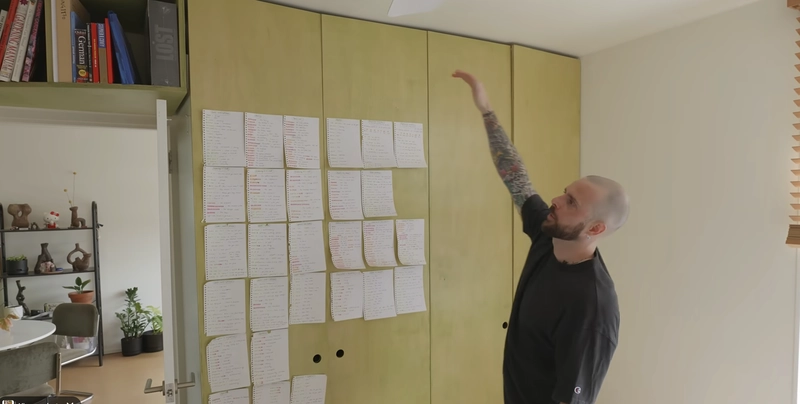
To maintain a sense of openness, consider an open-plan layout for the kitchen, dining, and living areas. To prevent these spaces from feeling clinical, use “soft” divisions. A shallow, veneered cabinet can serve as both a bookshelf for the living room and storage for the kitchen, blurring the lines between functions.
3. Light as a Building Material
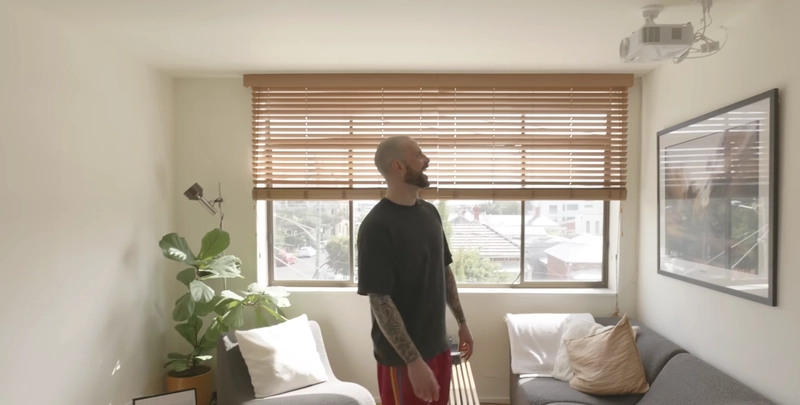
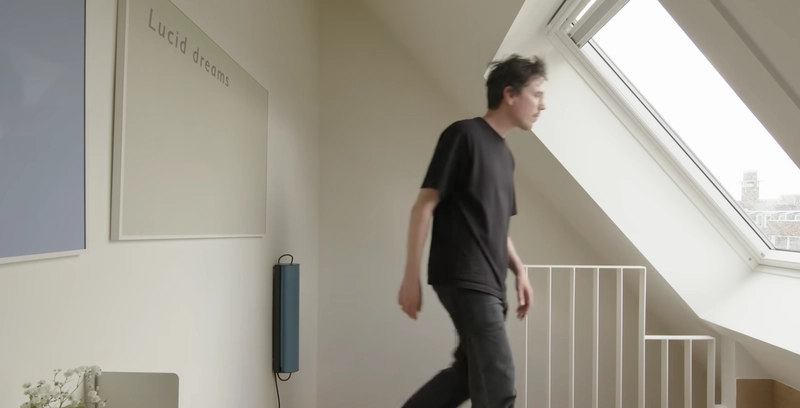
Natural light is perhaps the most critical factor in affecting mood. Large windows or dormers—some reaching heights of 2.6 meters—allow ample light to permeate the home throughout the day.
Design Advice: To keep light flowing even in private quarters, use open steel balustrades for stairs or mezzanines. This allows light to be transmitted between levels, such as from a lofty bedroom down into the living area, ensuring no corner feels cramped or dark,.
4. Materiality and the “Cocoon” Effect
The choice of materials directly impacts the “warmth” of a home. A palette of oak veneer, gray tiles, and white walls creates a minimal yet inviting composition,.
We are also seeing a trend toward low-profile furniture. Using a low-slung sofa or lounge chair under a lower ceiling (such as under a mezzanine) creates a feeling of being “embraced” in a cozy space. This contrast between open, airy heights and small, snug “nooks” allows a home to provide both social energy and private comfort,.
5. Hidden Functionality
A clutter-free environment is essential for a “calm and quiet” mind. The most innovative current designs utilize every available centimeter:
• Custom cupboards under stairs for clothing or utility items.
• Secret shelves hidden behind deeper cabinets for personal items.
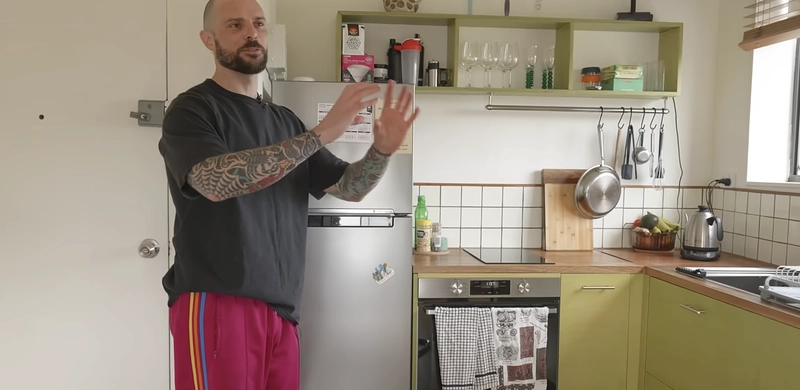
• Multifunctional blocks, such as a kitchen island that houses a fridge, oven, and a workspace with power outlets for a laptop.
Expert Insight: If you are working with a very small room, such as a nursery or guest space, try removing the bed frame. Placing a mattress closer to the floor can make a room with shorter ceilings feel significantly bigger.